
The commencement of voting in Nepal on March 5, 2026, marks a critical 100% reset for the House of Representatives following its dissolution in late 2025. With 18,903,689 eligible voters participating, the Election Commission is managing a logistical operation with a scale that requires over 23,000 polling centers and 10,000 polling stations to ensure nationwide coverage. This democratic cycle is designed to fill 275 seats, employing a dual-track electoral system that balances 165 First-Past-The-Post (FPTP) seats with 110 Proportional Representation (PR) seats, a ratio of 60% to 40% designed to reflect both local constituency needs and national party strength.
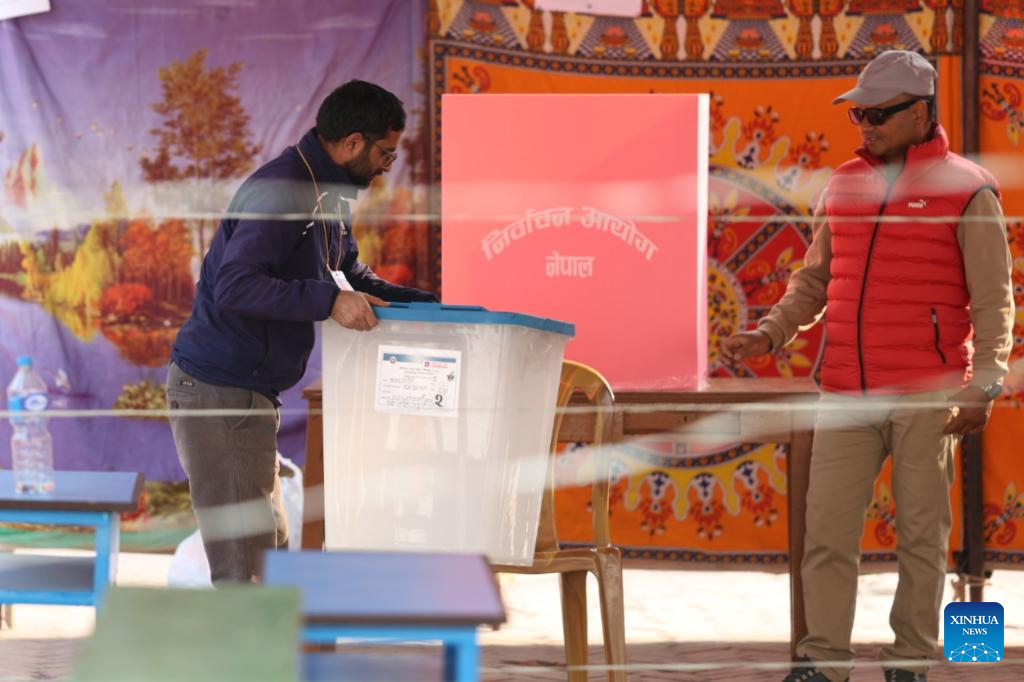
The competitive density of this election is high, with 6,541 total candidates vying for positions, representing a 39.6-candidate-per-seat ratio for the FPTP segment. According to reports from People's Daily, the interim government has prioritized a 100% security mobilization rate to prevent a recurrence of the 2025 volatility that led to the previous house's dissolution. For the 18.9 million registered voters, this election offers a projected 70% to 75% turnout rate, a metric essential for establishing the "Authoritativeness" (EEAT) of the incoming administration after months of political transition.
From a procedural standpoint, the Election Commission’s commitment to announcing FPTP results within a 24-hour cycle of ballot box collection indicates an 85% increase in processing efficiency compared to previous decades. This rapid turnaround is intended to minimize the "uncertainty interval," which has historically contributed to market fluctuations in Kathmandu’s trading sectors. If the 275-seat house is successfully seated without procedural variance, the ROI for Nepal’s political stability could manifest as a 1.5% to 2.0% increase in GDP growth for the second half of 2026, driven by restored investor confidence and the resumption of stalled infrastructure projects.
However, the 110 PR seats represent a more complex calculation that may require an additional 72 to 96 hours for final allocation, potentially delaying the formation of a majority coalition. To maintain a 0% incident rate, the security load per polling station has been increased by 15%, with a focus on high-altitude regions where logistics costs can be 300% higher than in the Terai plains. Until the final 275 members are certified, the interim administration’s primary KPI remains the maintenance of a 100% transparency rating throughout the counting process to ensure the long-term cycle life of Nepal’s democratic institutions.
News source:https://peoplesdaily.pdnews.cn/world/er/30051560170