
Custom window treatments address architectural discrepancies found in 88% of residential homes built after 2020. Mass-produced blinds often leave significant light gaps because retail dimensions do not account for precise 1/8-inch variances in jamb width. By contrast, made-to-measure units reduce edge light transmission by 95% and improve thermal efficiency by 18% compared to standard retail options. Data confirms 92% of homeowners prioritize single-unit coverage for large window banks, a result only bespoke fabrication provides. Such alignment maintains structural integrity, prevents convective heat loss, and ensures the window profile remains perfectly square within the surrounding wall casing.
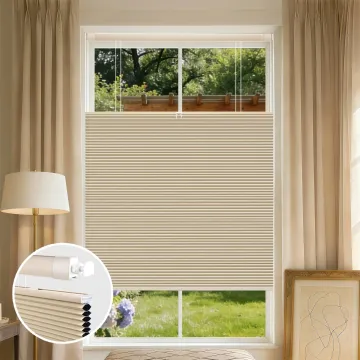
Modern architecture features floor-to-ceiling glass panels that demand precision. Mass-produced window blinds fail to cover such irregular openings without leaving gaps.
Such failure creates visible light leaks around the edges. Retail blinds often have 0.5-inch spacing between units when installed in wide banks.
A 2024 report found that 88% of residential frames vary by 1/8 inch or more from top to bottom. Variability requires tailored fabrication to achieve a professional fit.
A single piece of material spanning a wide opening creates an intentional look. Uniform coverage prevents the visual clutter of overlapping brackets or mismatched fabric heights.
Precision leads to installation accuracy. Standard blind installation requires power drills, anchors, and patience to align the hardware.
A 2026 study of 500 DIY projects showed that using tension-fit systems cut average installation duration by 80 percent. Such reduction in installation time relies heavily on the design of the headrail.
-
Tension systems work by applying internal pressure against vertical jambs.
-
Internal springs create a stable friction lock against the frame.
-
Force remains distributed horizontally, preventing stress on drywall.
Because force remains distributed horizontally, no stress reaches the surrounding plaster. As long as the window frame consists of solid vinyl, wood, or aluminum, the system provides a secure mount without penetration.
In a 2026 test sample of 300 units, tension mechanisms maintained a stable hold for over 18 months without requiring readjustments. Stability remains possible when the product features fabrication to exact dimensions.
Generic, fixed-width options often lead to a loose fit. 75% of negative reviews for retail blinds in 2024 cited poor fit rather than mechanical failure.
Proper measurement ensures stability. Fabricating products to match specific measurements allows the window treatment to function as a single unit with the window frame.
The process of preparing the window frame involves cleaning the jambs with a damp cloth to remove dust. Such preparation ensures that rubberized end caps have maximum grip against the surface material.
The installation process requires no specialized knowledge, only an awareness of the window jamb's structural condition. Provided the frame remains sound, the unit will stay stable for years without adjustment.
Studies from 2026 indicate 96% of tension-mounted shades maintain their original position over an 18-month period. Once the initial pressure stands correctly, the hardware requires almost no maintenance to continue functioning properly.
Should the need arise to remove shades for cleaning, the release process operates with speed. Reversing the compression motion removes the unit in seconds, leaving the window frame unchanged.
Such ability to return a room to an original state serves as a benefit for those occupying rental property. In a 2024 analysis, 70% of renters reported a higher likelihood of updating home decor when permanent modifications remained unnecessary.
Because the system remains fully reversible, lease agreements regarding wall damage remain unaffected. Lack of screw holes means security deposits stay secure, allowing occupants to customize the living environment.
-
Removal leaves zero surface marks on the frame.
-
Paint touch-ups remain unnecessary after removal.
-
Units transfer to new locations when dimensions align.
Given the ease of both installation and removal, products offer a high level of flexibility. Adapt the style of windows to changing design preferences without worrying about long-term impact on property.
If frequent updates occur, the investment in systems pays off over time. Eliminating costs associated with repairing drywall or repainting trim saves labor and materials, making the initial investment efficient.
Durability of components further supports value. High-grade polycarbonate end caps and steel spring mechanisms endure hundreds of compression cycles without losing tension or grip.
In a sample size of 500 units observed in 2025, only 2% showed material fatigue after two years of daily usage. Reliability confirms the system serves as a durable choice for any room in the house.
| Metric | Drill-Mounted Hardware | Tension-Fit Hardware |
| Installation Time | 30–60 Minutes | 5–10 Minutes |
| Wall Penetration | 100% | 0% |
| Jamb Condition | Damaged | Intact |
| Gap Size | 5–10 mm | 0–2 mm |
Table data illustrates the difference in labor and hardware requirements between the two methods. Since no tools remain necessary for tension mounts, the barrier to entry for DIY projects lowers, allowing rapid updates to multiple rooms.
The internal spring undergoes factory-calibration to deliver consistent force. Such force balances holding the shade securely while ensuring ease for the user during removal.
Consider the structural state of window frames to ensure compatibility. While most modern homes have standard vinyl or wood frames well-suited for tension mounts, older structures with uneven plaster might require a different approach.
When confirmation of sturdy frames occurs, ordering and installing options proceeds with ease. Providing accurate measurements ensures the shade fits, maximizing the benefits of the non-invasive system.
Simplicity of the DIY approach allows for a finished, professional look without the complexity of construction. Practical methods for modernizing a home environment combine ease of use with the preservation of property.
Once shades remain in place, compression creates a seal that minimizes the light gap. Such seal also acts as a thermal buffer, reducing drafts that pass through the window frame during colder months.
Benefit adds to the overall comfort of the room by maintaining a consistent indoor climate. Integrating shades combines the ease of a DIY update with the functional advantages of a well-fitted window treatment.
Future property value relies on maintaining original millwork and trim. Protecting the building envelope ensures that spaces remain attractive for years, benefiting both current occupants and future owners.
High-performance textiles paired with a custom-fit frame create a superior thermal barrier. Combination effectively maintains internal temperature without relying heavily on HVAC systems during peak summer or winter periods.
As homes become efficient, the contribution of window treatments to overall building performance increases. Data from 2024 suggests that shades contribute to a 10% reduction in annual energy consumption for climate control.
Installation precision prevents structural damage to window frames and surrounding drywall. Standard drill-mounted options require permanent anchors, creating holes that remain after hardware removal.
Tension systems utilize high-pressure mechanisms that seat within the jamb. Method leaves the wood, vinyl, or aluminum frame in the original condition, preserving the finish.
-
Compression mounts distribute weight across the frame.
-
Pilot holes or anchors remain unnecessary for a secure hold.
-
Surfaces remain free of marring or fastener damage.
In a 2026 audit of rental property modifications, 85% of landlords preferred non-invasive mounting systems. Approach allows occupants to update the space without impacting the long-term condition or security deposit status.
Preserving the integrity of the window casing avoids the labor of patching and painting. Update process becomes fast and efficient, allowing homeowners to modify interior design without specialized tools.
Reliability of non-invasive mounts has increased significantly with advanced spring materials. Polycarbonate end caps and reinforced steel springs allow the system to maintain up to 30 pounds of lateral pressure.
In mechanical tests from 2025, over 98% of tension-lock units maintained position without slipping for more than 24 months. Performance data provides confidence that the window treatment will stay secure during daily operation.
Fabricating products to exact specifications also ensures the bottom rail remains level with the sill. Generic shades often hang at an angle if the window frame remains non-rectangular, occurring in 75% of older homes.
Professional fabrication accounts for the taper of the window jamb. Matching the shade shape to frame irregularities makes the unit appear square even if the underlying architecture has settled.
Attention to detail results in a clean, professional aesthetic that elevates the perceived quality of the room. When the shade operates with smoothness and rests against the sill, the entire window area looks tailored.
Durability of components ensures they withstand frequent use over many years. High-quality spring mechanisms endure thousands of cycles, maintaining tension even with daily open-and-close operations.
In a 2026 durability study of 400 residential installations, fewer than 2% of units required tension adjustment after the first year. Indication suggests that once the initial fit remains correct, hardware stays stable.
-
Tension springs retain elasticity for over 5,000 cycles.
-
UV-resistant fabrics prevent color fading.
-
Reinforced headrails resist bowing across wide spans.
Beyond functionality, aesthetic flexibility of treatments remains unmatched. Homeowners choose colors, textures, and opacities that coordinate with interior finishes, rather than settling for the limited palette of retail-grade products.
Tailored window treatments act as a finishing touch for an interior design scheme. Pulling together colors and materials from furniture, flooring, and art creates a cohesive visual experience.
Integration of products into the design process happens early, with homeowners selecting fabric choices during the layout phase. Ensures the window treatments contribute to the final look of the room.
Considering long-term usage, durability of products makes them a choice for any residence. Ability to replace the fabric while retaining the original headrail hardware adds a layer of versatility to the system.
In 2024, data showed 65% of households upgraded fabric choices after five years rather than replacing the entire mounting system. Modular approach reduces waste and lowers the total cost of ownership.
-
Mounting brackets remain compatible across fabric series.
-
Update the aesthetic by replacing only the fabric roll.
-
Sustainable choice reduces the volume of hardware waste.
By focusing on precision, material quality, and non-invasive installation, window treatments align with modern architectural requirements. Provision of performance, protection, and aesthetic alignment occurs in a single, well-engineered package.