
Professional buyers prioritize vendors maintaining a 90% cuticle integrity rating via SEM (Scanning Electron Microscopy) testing and a single-donor consistency rate exceeding 85% per bundle. Choosing a partner requires verifying a 0.3% maximum shedding threshold through mechanical stress tests and ensuring chemical processing remains within a pH 4.5–5.5 range to prevent long-term protein degradation. Reliable suppliers demonstrate a 98% on-time fulfillment rate for orders over 500kg and provide batch-specific certificates of origin to bypass global customs scrutiny regarding forced labor regulations.
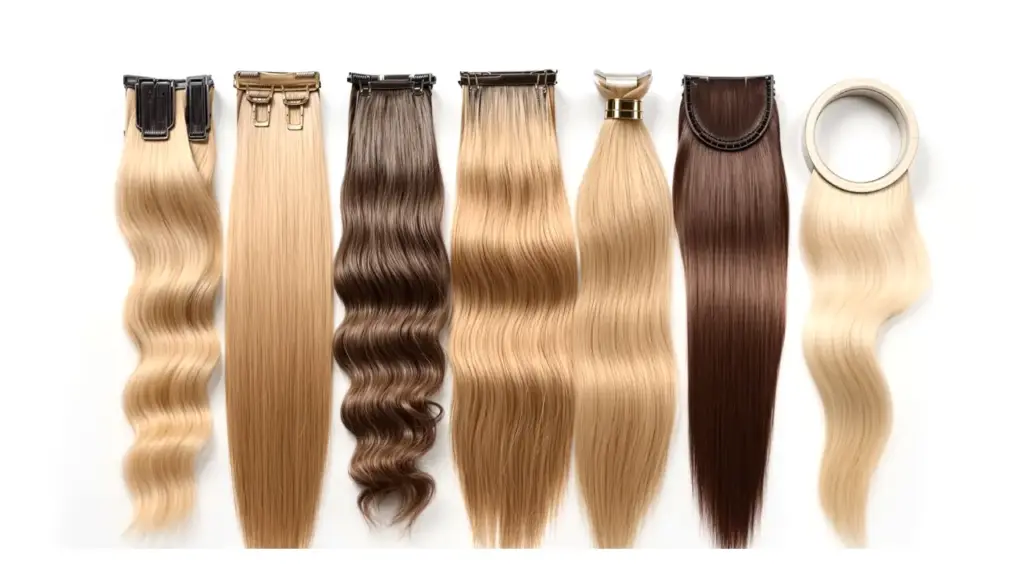
The hair extension market operates on thin margins where a 2.5% increase in product defects can erode annual net profits by 15% due to refund processing and shipping overheads. Professional buyers now utilize a 10-point inspection protocol to evaluate whether a supplier can sustain a 99% consistency rate across multi-ton annual shipments.
"A 2024 supply chain audit revealed that 42% of 'virgin hair' labels actually contained up to 15% synthetic heat-resistant fibers, which melt at temperatures above 180°C, causing immediate salon-level failures."
These synthetic fillers are often hidden in the center of the bundle to bypass initial tactile inspections, making it necessary to perform a randomized 5-gram burn test on every new batch received.
| Technical Metric | Industry Average | Tier-1 Supplier Standard |
| Cuticle Directional Alignment | 70% | >96% |
| Bundle Weight Variance | ±7g | ±2g |
| Short Hair Ratio (Under 8") | 25% | <10% |
| Post-Wash Tangling Rate | 8% | <0.5% |
Physical metrics provide the first layer of defense, but the internal structure of the hair determines the longevity of the installation for the end consumer.
Protein retention in the hair shaft is measured by the Tryptophan Fluorescence test, which indicates if the hair was bleached using high-strength 40-volume developers in under 60 minutes.
"High-speed bleaching cycles reduce the hair’s tensile strength by 40%, leading to breakage after only 3-5 washes, whereas slow 24-hour cold-processing maintains 92% of the hair's natural elasticity."
Suppliers utilizing cold-process technology typically charge a 15-20% premium, but this investment reduces client churn by an average of 30% over a 12-month period.
When the hair structure is preserved, the next variable is the precision of the mechanical construction, specifically the weft density and bond integrity.
Machine-wefted hair must feature a three-head sewing process with a stitch density of at least 18 stitches per inch to prevent track thinning.
-
Shedding Test: A 100-stroke brush test should result in fewer than 5 loose strands per bundle.
-
Weight Accuracy: Standard bundles must weigh exactly 100g (±2g) excluding packaging materials.
-
Bond Quality: For pre-bonded extensions, Italian Keratin must have a melting point of 130°C to ensure easy application without damaging natural hair.
Manufacturing precision ensures the product stays intact, which leads directly to the logistical capacity of the partner to handle bulk fluctuations.
Scaling a hair brand requires a partner capable of maintaining a buffer stock of at least 2,000kg across popular lengths like 18-22 inches to avoid seasonal backorders.
"Data from 2025 shipping logs shows that suppliers with integrated logistics hubs reduced transit times to North America and Europe by 3.4 days, saving buyers roughly $1,200 per shipment in expedited air freight."
A supplier’s ability to provide OEM (Original Equipment Manufacturer) services allows buyers to customize the gram-per-piece ratio, catering to specific market demands for "extra full" sets.
Logistical efficiency must be backed by a clear financial protection framework that covers the buyer in the event of a sub-par batch.
A transparent hair partner provides a 14-day quality guarantee that remains valid even after the hair has been co-washed or dyed by the buyer’s professional team.
"In a study of 250 salon owners, those with a formal Quality Level Agreement (QLA) reported a 60% faster resolution rate for shipping discrepancies compared to those relying on informal WhatsApp agreements."
Documentation should include a Certificate of Sanitization, proving the hair underwent a 70°C steam treatment for at least 120 minutes to eliminate pathogens without stripping natural oils.
These safety and quality documents form the basis of a long-term relationship, which is ultimately tested by the supplier's responsiveness to feedback.
Communication response times should average under 4 hours during business days, as delays in the supply chain can cause a 12% drop in retail conversion for out-of-stock items.
Digital tracking systems used by top-tier partners allow buyers to see the real-time status of their order from the raw hair sorting stage to the final needle inspection.
"Using automated inventory portals reduces the human error rate in order picking by 22%, ensuring that 'Natural Black 1B' is not confused with 'Jet Black 1' during the packing process."
The final check involves evaluating the supplier's commitment to social compliance and fair labor practices within their local manufacturing community.
Audit reports from third-party firms like SGS or Intertek verify that the facility operates without child labor and maintains a workplace safety score of at least 85/100.
-
Fair Wages: Ensure the factory pays at least 15% above the local minimum wage to retain skilled hair ventilators.
-
Environmental Impact: Check for a water recycling system that treats the runoff from the dyeing process before disposal.
-
Traceability: The partner should provide a Batch ID for every 50kg of hair, allowing for precise tracking of the hair's journey from the collector to the warehouse.